
Exploring the Popularity of Online Platforms
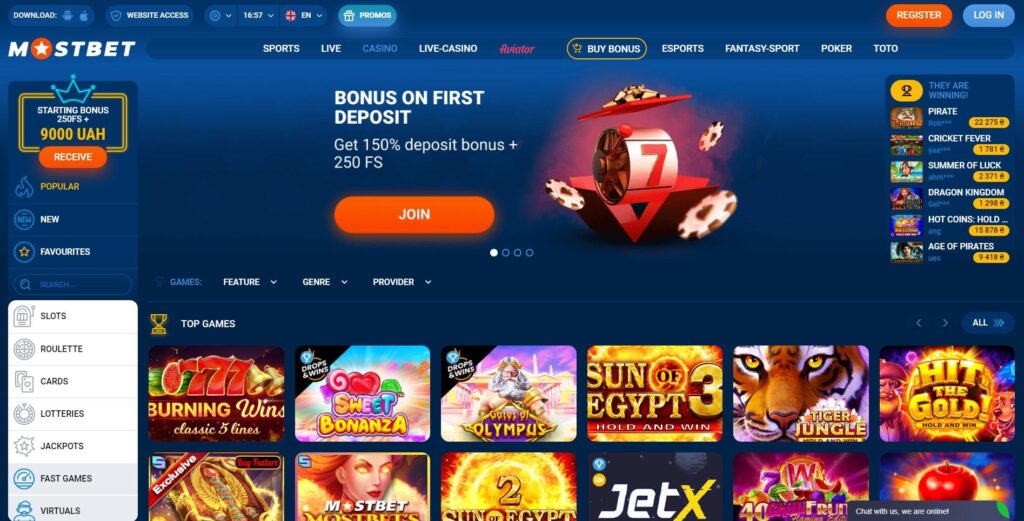
In recent years, the digital landscape has transformed immensely, leading to a surge in the popularity of online platforms. From social media networks to e-commerce sites, online gaming, and streaming services, the internet has become a central hub for various activities. One of the dominant forces in this space is online gambling, exemplified by platforms like Exploring the Popularity of Online Sportsbooks in Bangladesh Mostbet লগইন, which has drawn millions of users globally. This article delves into the factors driving this popularity and examines the implications for individuals and society alike.
The Rise of Social Media
Social media platforms like Facebook, Twitter, Instagram, and TikTok have revolutionized the way we communicate and share information. The ability to connect with individuals across the globe instantly has made these platforms incredibly attractive. They allow users to express themselves, share their lives, and engage with a variety of content from different cultures and backgrounds.
Furthermore, social media has become an essential tool for businesses and influencers looking to establish a presence online. The rise of influencer marketing has created new opportunities for individuals to monetize their content, which has led to an ever-growing number of users joining these platforms. Brands leverage social media to reach target audiences more effectively, employing data analytics to tailor their marketing strategies.
Online Gaming and Virtual Communities
Another significant driver of online popularity is the rise of online gaming. Games such as Fortnite, Call of Duty, and League of Legends have created massive communities where players can interact, compete, and collaborate. The accessibility of these games, combined with their immersive experiences, has attracted a diverse range of players, from casual gamers to professional eSports athletes.
Online gaming has also fostered a sense of belonging among players. Many gamers form friendships and communities through multiplayer experiences, and platforms like Twitch have allowed for the sharing of gameplay experiences with audiences worldwide. The social aspects of gaming have transformed it into more than just a pastime; it has evolved into a cultural phenomenon.
E-commerce: Shopping at Your Fingertips
The e-commerce boom has fundamentally altered the retail landscape. Consumers now have access to a vast array of products and services, all available at the click of a button. Platforms like Amazon, eBay, and niche online stores cater to diverse consumer needs, significantly enhancing convenience and choice.
The COVID-19 pandemic accelerated the shift towards online shopping, as physical stores closed and consumers sought safe ways to obtain goods. As a result, many businesses quickly adapted to e-commerce, leading to a surge in online sales. This trend appears likely to continue, with more retailers investing in their online presence to meet changing consumer preferences.
Streaming Services: Changing the Entertainment Landscape
The entertainment industry has also seen a dramatic shift with the rise of streaming services like Netflix, Hulu, and Disney+. These platforms have changed how people consume media, offering on-demand and binge-worthy content that caters to various tastes and preferences. With thousands of titles available at any given time, viewers are no longer bound by traditional broadcasting schedules.
Additionally, the competitive landscape among streaming services has led to significant investments in original content. This has spurred creativity and diversity in storytelling, as companies strive to distinguish themselves in a crowded market. The rise of “cord-cutting,” where consumers forgo traditional cable in favor of internet-based streaming, exemplifies the significant shift in how we consume entertainment.
Mobile Accessibility and Internet Connectivity

A pivotal factor in the popularity of online platforms is the accessibility provided by mobile technology. The widespread ownership of smartphones and advancements in mobile internet connectivity enable users to engage with online platforms anytime and anywhere. This unprecedented level of convenience fuels habitual usage and makes online services an integral part of daily life.
The importance of a robust internet infrastructure cannot be understated. As more people gain access to high-speed internet, particularly in developing regions, the user base for online platforms continues to expand. This connectivity not only facilitates engagement with social media, e-commerce, and gaming but also contributes to the growth of online education and remote work opportunities.
The Implications of Online Popularity
While the popularity of online platforms brings numerous benefits, it also presents challenges that warrant consideration. Issues such as data privacy, cybersecurity risks, and the impact of screen time on mental health have surfaced as critical concerns. The ease of access to information can also lead to the spread of misinformation, with profound implications for public discourse and societal trust.
Furthermore, the rise of online engagement can lead to a decline in face-to-face interactions, affecting social skills and community cohesion. As individuals become increasingly engrossed in virtual environments, the importance of maintaining a balance between online and offline connections becomes paramount.
Conclusion
The surge in popularity of online platforms is a multifaceted phenomenon driven by advances in technology, social change, and shifting consumer behaviors. From social media connectivity to online gaming experiences and e-commerce convenience, the internet has transformed the way we live, work, and interact. While these platforms provide users with undeniable advantages, it is crucial to navigate the associated challenges carefully. As we embrace the digital age, fostering a conscious and balanced approach to online engagement will ensure that the benefits of these platforms are maximized while minimizing potential drawbacks.